
Kruger National Park
Kruger National Park stands as one of Africa's largest and most famous wildlife reserves, covering nearly 7,500 square miles in northeastern South Africa. The park offers visitors a chance to see the Big Five—lions, elephants, leopards, rhinos, and buffalo—along with hundreds of other animal species in their natural habitat. Its vast landscapes range from open grasslands to thick bushveld and riverine forests.
Visitors can explore Kruger through self-drive safaris, guided game drives, walking safaris, and even riverboat cruises, making it accessible for different travel styles and budgets. The park features multiple rest camps and lodges that serve as comfortable bases for safari adventures. Whether travelers prefer the freedom of their own vehicle or the expertise of professional guides, Kruger provides options that suit various preferences.
Understanding how to plan a visit helps ensure a rewarding experience in this remarkable wilderness. From choosing the best time to visit and selecting the right accommodation to knowing which routes offer the best wildlife viewing, proper preparation makes a difference. The park's combination of incredible biodiversity, well-maintained facilities, and conservation efforts creates an authentic African safari experience that ranks among the best in the world.
Understanding Kruger National Park
Kruger National Park spans nearly 7,500 square miles in northeastern South Africa and stands as one of Africa's largest and oldest wildlife reserves. The park protects 147 mammal species and over 500 bird species across varied landscapes that range from open grasslands to dense savannah.
Location and Size
Kruger National Park sits in the northeastern corner of South Africa, stretching along the border with Mozambique. The park covers approximately 7,523 square miles, making it roughly the size of Israel or the state of New Jersey.
The reserve extends 220 miles from north to south and 40 miles from east to west at its widest point. It spans two provinces: Limpopo and Mpumalanga. The park's western boundary runs alongside private game reserves, while the eastern edge follows the Mozambique border.
Six main entry gates provide access to different regions of the park. The southern gates near Nelspruit are closest to major cities, while the northern sections offer more remote wilderness experiences.
History and Origins
The South African Republic first protected areas of Kruger in 1898 under President Paul Kruger's government. This early conservation effort aimed to stop overhunting in the South African Lowveld region.
Kruger became South Africa's first national park in 1926. The designation expanded protected areas and established formal management of the wildlife sanctuary. Archaeological sites within the park reveal human presence dating back thousands of years.
The park has grown through decades of conservation work. Today it forms part of the Kruger to Canyons Biosphere, a UNESCO-designated biosphere reserve that connects multiple protected areas.
Biodiversity and Ecosystems
Kruger protects 147 mammal species, including all of Africa's Big Five: lions, leopards, elephants, buffalo, and rhinos. The park is home to more than 500 bird species, 114 reptiles, 49 fish, and 34 amphibians.
The landscape includes multiple ecosystems. Open grasslands dominate the southern plains, while savannah woodlands cover much of the central and northern regions. Rivers like the Sabie, Olifants, and Limpopo cut through the park and support dense vegetation along their banks.
The park contains 336 tree species. This plant diversity supports the varied wildlife and creates distinct habitats across different regions. Each ecosystem attracts different animal populations based on available food and water sources.
Wildlife and Birdlife Highlights
Kruger National Park protects one of Africa's most diverse wildlife populations, with over 140 mammal species and more than 500 bird species. The park's vast landscapes support everything from the famous Big Five to rare nocturnal creatures and colorful birdlife.
The Big Five and Iconic Mammals
Kruger safeguards all of the Big Five: lions, leopards, elephants, buffalo, and rhinos. The park holds the world's largest population of rhinos, making it a critical conservation area. Lions live in prides throughout the park and are often spotted during daylight hours near waterholes and on open plains.
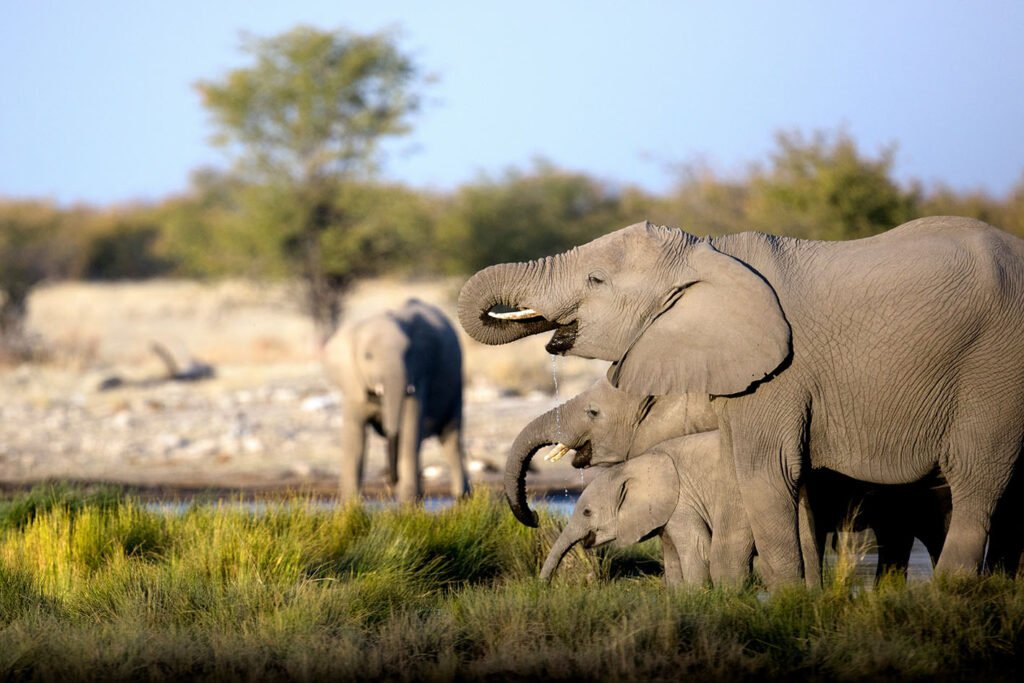
Leopards are the most elusive of the big cats. They hunt at night and rest in trees during the day. Elephants roam in large family herds, particularly common in the central and northern regions.
Beyond the Big Five, visitors regularly see zebras, giraffes, and hippos. Cheetahs hunt on the open grasslands, though they are less common than other predators. Hyenas appear frequently, especially near lion kills. African wild dogs represent one of only four remaining populations in Africa, making Kruger sightings particularly special.
Wildebeests graze in herds across the savanna. Nocturnal animals like bush babies become active after dark, visible on night drives offered by many camps.
Bird Species and Birdwatching
The park's 500+ bird species attract birdwatchers from around the world. Rivers and wetlands support kingfishers, herons, and the rare Pel's fishing owl. The lilac-breasted roller, with its bright blue and purple feathers, perches along roadsides and ranks among Africa's most photographed birds.
Raptors patrol the skies, including martial eagles and bateleur eagles. Waterholes draw hornbills, starlings, and various weavers. The park's diverse habitats create opportunities to spot both common and rare species throughout the year.
Other Notable Wildlife
Kruger hosts numerous antelope species, from tiny duikers to large kudus. Warthogs trot across roads with their tails held high. Crocodiles bask along riverbanks while monitor lizards patrol the bush.
Smaller carnivores include civets, genets, and honey badgers. Vervet monkeys and baboons live in troops near rest camps and rivers. The park's reptile population includes pythons, various snake species, and chameleons that blend into the vegetation.
Safari Experiences and Activities
Kruger National Park offers multiple ways to encounter African wildlife, from independent exploration to expert-led excursions. Each safari option provides distinct advantages for game viewing, whether visitors prefer the flexibility of self-guided routes or the expertise of professional rangers.
Self-Drive Safaris
Self-drive safaris give visitors complete control over their Kruger National Park safari experience. The park maintains over 800 kilometers of paved and gravel roads that allow access to prime wildlife areas. Travelers can enter through nine gates during operating hours and explore at their own pace.
Gate fees start around R200-400 per day, making self-drive the most budget-friendly safari option. Visitors need their own vehicle and should bring binoculars, field guides, and plenty of water. The roads are well-maintained and suitable for standard cars.
Best practices for self-drive game viewing:
- Travel slowly at 20-40 km/h to spot animals
- Stop at watering holes during dry months
- Check recent sighting boards at rest camps
- Avoid driving during midday heat when animals rest
Guided Game Drives
Guided game drives provide expert knowledge that enhances wildlife encounters significantly. Professional rangers lead these safari tours in open vehicles designed for optimal game viewing. They know animal behavior patterns and can locate hard-to-find species.
Most guided safaris last 3-4 hours and cost between R350-750 per person. Rangers share information about tracking techniques, ecology, and conservation while spotting the Big Five. Open safari vehicles offer better visibility and photography angles than private cars.
Lodge-based guided safaris often include morning and afternoon game drives. The guides communicate with each other about wildlife locations, increasing chances of memorable sightings. They also handle all park logistics and navigation.
Bush Walks and Night Drives
Bush walks transform the safari experience by placing visitors on foot in the African wilderness. Armed rangers lead small groups for 3-4 hours, starting around R450 per person. Walking safaris reveal smaller details like animal tracks, insects, medicinal plants, and bird calls that vehicle-based game viewing misses.
Night drives expose the nocturnal side of Kruger National Park safari adventures. These guided safaris depart after sunset when diurnal visitors must leave the park. Spotlights reveal predators like lions, leopards, and hyenas during active hunting hours.
Night drive highlights:
- Spotted predators stalking prey
- Nocturnal animals like genets and civets
- Bush babies and owls
- Different animal behaviors after dark
Both activities require booking through SANParks or private lodges, as independent night drives aren't permitted.
Photographic Safaris
Photographic safaris cater specifically to capturing quality wildlife images. These specialized safari tours typically cost R850+ and last 4-6 hours during optimal lighting conditions. Expert photographers guide participants on camera settings, composition, and animal behavior prediction.
Morning golden hour (5:30-9:00 AM) and afternoon sessions (3:30-6:30 PM) provide the best natural light for photography. Guides position vehicles strategically for unobstructed shots and wait patiently for perfect moments. They understand which locations and times produce the most photogenic wildlife encounters.
Participants should bring cameras with telephoto lenses (300mm minimum), extra batteries, and sufficient memory cards. Many photographic safari experiences use specially modified vehicles with beanbag rests and lowered sides for stability.
Top Camps, Lodges, and Accommodation Options
Kruger National Park offers accommodation ranging from basic campsites to five-star luxury lodges. The park's SANParks-run rest camps provide self-catering options, while private reserves like Sabi Sands and Timbavati deliver premium safari experiences with game drives and meals included.
SANParks Rest Camps
SANParks operates several rest camps throughout Kruger National Park, each offering different accommodation types and amenities. These camps provide self-catering options where guests cook their own meals and explore the park at their own pace.
Skukuza is the largest rest camp and serves as the park's administrative headquarters. It sits on the banks of the Sabie River and features a restaurant, grocery store, and various accommodation options from campsites to bungalows.
Lower Sabie ranks among the most popular camps due to its location on the Sabie River. The camp offers excellent wildlife viewing and provides cottages, bungalows, and camping facilities.
Satara sits in prime lion territory in the central region. The camp is arranged in circles and attracts visitors seeking big cat sightings. Accommodation includes rondavels, cottages, and campsites.
Other notable rest camps include Olifants (known for its hilltop views), Letaba (popular for elephant sightings), and Pretoriuskop (the oldest camp in the park).
Luxury Lodges and Private Reserves
The private reserves bordering Kruger National Park offer luxury safari experiences with no fences separating them from the park. These lodges include game drives, meals, and ranger services in their rates.
Sabi Sands Game Reserve hosts some of Africa's most exclusive safari lodges. Properties like Lion Sands River Lodge and Londolozi provide all-inclusive luxury safari packages with exceptional leopard viewing opportunities.
Timbavati Private Nature Reserve shares an unfenced border with Kruger and features several high-end lodges. The reserve is known for its diverse wildlife and intimate safari experiences.
These luxury lodges typically accommodate small groups in spacious suites with private decks. Most include twice-daily game drives, bush walks, and gourmet dining. The Greater Kruger area extends the options beyond the park's official boundaries, with lodges offering similar wildlife experiences in private concessions.
Bush Camps and Budget-Friendly Options
Bush camps provide a middle ground between basic campsites and luxury lodges. These smaller SANParks facilities offer a more intimate wilderness experience with limited amenities.
Biyamiti Bushveld Camp sits hidden among Delagoa thickets on the Mbiyamiti River. The camp features self-catering cottages and provides a secluded atmosphere away from larger rest camps.
Talamati and Shimuwini are other bush camps that offer privacy and excellent game viewing. These camps lack restaurants and shops, so guests must bring their own supplies.
Budget-friendly campsites exist at most rest camps throughout the park. Balule Satellite Camp offers basic camping with minimal facilities and no electricity, creating an authentic bush experience. Maroela caters exclusively to campers and caravans near the Timbavati River.
These budget options require guests to bring camping equipment and food. Shared ablution facilities serve the camping areas, while the low fences create a genuine wilderness atmosphere.
Planning Your Visit
Kruger National Park requires careful planning to make the most of a safari adventure. The dry season from May to October offers prime wildlife viewing, while getting to the park is straightforward from major South African cities. Understanding entry gates and park layout helps visitors navigate this massive wilderness area effectively.
Best Time to Visit
The dry season from May to October is the most popular time to visit Kruger National Park. Animals gather around water sources during these months, making them easier to spot. The vegetation is also thinner, which improves visibility across the savanna.
The wet season from November to April brings lush green landscapes and baby animals. This period sees fewer crowds and lower accommodation prices. However, thick vegetation can make wildlife harder to spot, and some animals spread out across the park since water is available everywhere.
Summer months (December to February) bring afternoon thunderstorms and hot temperatures. Winter months (June to August) offer cooler mornings and evenings, perfect for early game drives. Many visitors find September and October ideal since animals concentrate around remaining water sources before the rains arrive.
Getting to Kruger National Park
Most visitors drive from Johannesburg, located about 400 to 500 km from Kruger's various gates. The highway is well-maintained and takes around five hours depending on which gate you choose. Many travelers add stops at Blyde River Canyon or Blyde Canyon along the Panorama Route to break up the journey.
Kruger Mpumalanga International Airport near Nelspruit offers the closest flights to the park. This airport provides access to the southern section, which has excellent wildlife viewing. Phalaborwa and Hoedspruit also have small airports serving the central and northern regions.
Towns like Hazyview and Hoedspruit make convenient bases outside the park. These areas offer various accommodation options and easy access to nearby gates for day visits.
Park Maps, Routes, and Entry Gates
Kruger has 10 entrance gates spread across its 350 km length. Paul Kruger Gate near Skukuza is the busiest and offers access to prime wildlife areas. Crocodile Bridge Gate in the far south provides entry to excellent game viewing territory.
Visitors should pick up a Kruger National Park map at any gate. These maps show rest camps, picnic sites, and different vegetation zones that indicate which animals to expect in each area. The southern third of the park generally offers the best wildlife sightings.
Gate opening times change by season. From October to March, gates open at 5:30 am and close between 6:00 pm and 6:30 pm. From April to September, gates open at 6:00 am and close between 5:30 pm and 6:00 pm. Day visitors must exit before closing time or face fines.
Popular routes include the stretch between Orpen, Satara, and Lower Sabie, as well as roads around Skukuza and Berg-en-Dal. These areas feature mixed woodlands and savannas where lions, elephants, and other wildlife concentrate.
Conservation and Cultural Heritage
Kruger National Park balances wildlife protection with the preservation of over 254 cultural heritage sites spanning nearly one million years of human history. SANParks manages both conservation efforts and archaeological preservation while working with local communities to maintain this dual responsibility.
Wildlife Conservation and Anti-Poaching
Kruger protects more than 753 animal species across its 7,500 square miles. The park employs rangers and advanced technology to combat poaching threats that target rhinos and elephants. Anti-poaching units patrol the reserve daily, using surveillance equipment and trained dogs to detect illegal activities.
SANParks invests in conservation programs that monitor animal populations and protect habitats. The park has become a model for wildlife management in Africa. These efforts ensure that endangered species have safe breeding grounds and migration corridors.
The success of these programs relies on funding from tourism and international conservation groups. Rangers receive specialized training in tracking and wildlife protection methods. This ongoing work has helped stabilize populations of several threatened species within the park boundaries.
Archaeological Sites and Cultural Significance
The park contains over 255 archaeological sites dating from the early Stone Age to recent historical structures. Visitors can explore three main heritage sites: Albasini Ruins, Masorini Ruins, and Thulamela. These locations reveal how different communities lived in the region over thousands of years.
Kruger also protects 130 rock art sites that hold spiritual importance for local communities. Iron Age settlements within the park show evidence of metalworking and trade networks. SANParks has a legal obligation to preserve these sites as part of South Africa's cultural heritage.
Many archaeological locations remain unmarked or sit far from main tourist routes. The sites that are open to visitors include interpretive displays that explain their historical context.
Community Involvement and Responsible Tourism
Local communities participate in conservation efforts through employment and education programs. Park rangers often come from nearby villages, creating economic opportunities while protecting wildlife. SANParks works with these communities to share the benefits of tourism revenue.
Responsible tourism practices help maintain the balance between visitor access and environmental protection. Tourists support conservation by following park rules and staying on designated routes. Revenue from park fees funds both wildlife protection and cultural site preservation.
Community members serve as guides at archaeological sites, sharing traditional knowledge with visitors. This involvement helps preserve cultural practices while providing income for local families. The partnership between SANParks and surrounding communities strengthens both conservation and cultural preservation goals.
Frequently Asked Questions
Visitors planning a trip to Kruger National Park often have questions about timing their visit during peak wildlife seasons, finding the right accommodation from rest camps to private lodges, and understanding safety protocols while navigating through Big Five territory. The park offers various safari options and maintains active conservation programs funded through daily fees paid by guests.
What are the best times of year to visit Kruger National Park for wildlife viewing?
The dry winter months from May to September offer the best wildlife viewing conditions in Kruger National Park. Animals gather around waterholes during this period, making them easier to spot. The vegetation is also thinner, which improves visibility across the landscape.
Summer months from October to April bring lush greenery and baby animals. However, the dense vegetation can make spotting wildlife more challenging. These months also coincide with the rainy season and higher malaria risk, particularly between February and May.
Winter temperatures are mild during the day but can drop significantly at night. Visitors should pack layers for early morning game drives when temperatures are coolest.
What types of accommodation are available within Kruger National Park?
Kruger National Park provides several accommodation options to suit different budgets and preferences. Public rest camps offer self-catering units, bungalows, and camping facilities for visitors who want to explore the park independently.
Private lodges within the park deliver exclusive experiences with luxury amenities. These lodges typically include guided game drives, meals, and premium services as part of their packages. Most private accommodations provide mosquito nets and insect repellents in rooms.
Rest camps feature restaurants, shops, and fuel stations for visitor convenience. Booking accommodation in advance is essential, especially during peak seasons when availability becomes limited.
Are there guided safari tours that one can join in Kruger National Park?
Guided safari tours are widely available throughout Kruger National Park. Visitors can join organized game drives led by experienced guides who understand animal behavior and know the best viewing locations.
Private lodges include guided safari tours as part of their accommodation packages. These tours typically occur during early morning and late afternoon when animals are most active. Guides provide insights about wildlife, ecology, and conservation efforts in the park.
Self-drive visitors can also hire guides at entrance gates or rest camps. Day visitors have the option to book guided tours even without staying overnight in the park.
What essential tips should I follow to ensure a safe trip through Kruger National Park?
Staying inside a vehicle at all times is the most important safety rule in Kruger National Park. Visitors may only exit their vehicles at designated rest stops and viewing areas clearly marked throughout the park.
The park enforces strict speed limits of 50 km/h on tarred roads and 40 km/h on gravel roads. Driving slowly not only ensures safety but also improves chances of spotting wildlife. All visitors must enter camps before gate closing times, which vary by season.
Feeding any animals in the park is strictly prohibited and carries heavy fines. Animals that receive food from humans lose their natural fear and can become aggressive. Camps are fenced to protect visitors from wildlife at night, though occasional monkeys or baboons may wander through.
Malaria prevention requires consultation with a doctor before travel. Visitors should start anti-malaria medication at least one week before arrival. Wearing long sleeves, long pants, and closed shoes at dusk helps prevent mosquito bites.
Can visitors expect to see the Big Five during a trip to Kruger National Park?
Kruger National Park is home to all Big Five animals: lions, leopards, elephants, rhinoceros, and buffalo. The park's size of nearly 20,000 square kilometers provides extensive habitat for these species.
Spotting all Big Five during a single visit is possible but not guaranteed. Wildlife sightings depend on factors like season, time of day, and location within the park. Early morning and late afternoon game drives offer the best opportunities for animal encounters.
The park hosts over 500 bird species and nearly 150 mammal species beyond the Big Five. Visitors often encounter zebras, giraffes, hippos, crocodiles, and various antelope species during their stay.
What conservation efforts are in place to protect the wildlife in Kruger National Park?
Every visitor to Kruger National Park pays daily conservation fees that fund protection and maintenance programs. These fees support anti-poaching efforts, habitat management, and wildlife monitoring throughout the park.
South African residents pay reduced conservation fees because they already contribute through taxes. International visitors pay higher rates that directly support the park's conservation work. Visitors with valid Wild Cards have already contributed through their membership fees.
Conservation funding maintains viewing hides, water supplies, and artificial waterholes that support wildlife during dry seasons. The park is part of the Great Limpopo Transfrontier Park, a larger conservation area that allows animals to migrate across international borders. These efforts help preserve natural behaviors and genetic diversity among wildlife populations.