
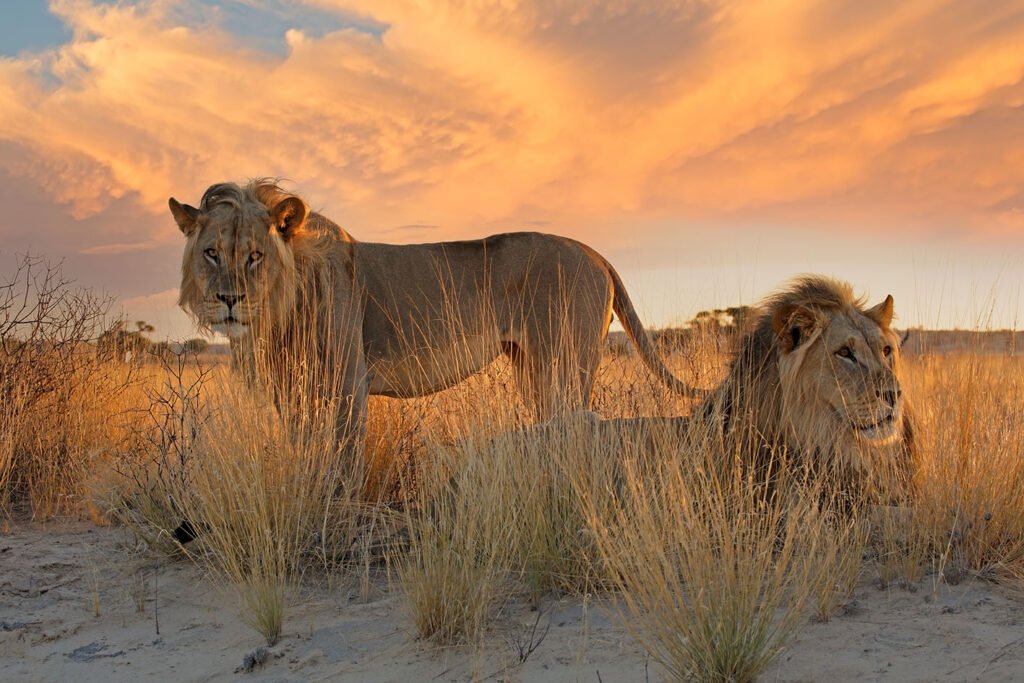
Wildlife Mecca
South Africa stands out as one of the world's top destinations for wildlife viewing. The country offers everything from classic safari parks where visitors can see lions and elephants to unusual encounters with penguins and seals along the coast. South Africa provides opportunities to experience wildlife through self-drive safaris, guided walks in the bush, marine encounters, and visits to ethical sanctuaries that focus on conservation and rehabilitation.
The diversity of wildlife experiences sets South Africa apart from other destinations. Visitors can track cheetahs with park rangers, swim alongside playful seals, watch whales migrate along the coast, or observe African penguins waddle across sandy beaches. Many of these activities happen in the animals' natural habitats with minimal human interference.
Whether planning a luxury safari or a budget-friendly self-drive adventure, South Africa has wildlife experiences suited to different interests and travel styles.
Iconic Safari Adventures
South Africa offers world-class safari experiences where visitors can observe Africa's most famous wildlife in their natural habitats. Kruger National Park and other game reserves provide multiple ways to encounter the Big Five, from self-guided drives to expert-led walking expeditions.
The Big Five: Where and How to See Them
Kruger National Park remains South Africa's premier destination for spotting lions, elephants, rhinos, leopards, and buffalo. The park spans nearly 20,000 square kilometers across Limpopo and stretches into Mpumalanga, providing extensive habitat for these iconic species.
Madikwe Game Reserve near the Botswana border offers excellent Big Five viewing with fewer crowds. The malaria-free reserve sits four hours from Johannesburg, making it accessible for short trips. Hluhluwe-iMfolozi Park in KwaZulu-Natal protects the oldest proclaimed nature reserve in Africa and played a key role in saving the white rhino from extinction.
Best animals to spot by location:
- Kruger National Park: All Big Five plus cheetahs, wild dogs, and over 500 bird species
- Madikwe Game Reserve: Large elephant herds, healthy lion populations, and both black and white rhinos
- Hluhluwe-iMfolozi Park: White and black rhinos, buffalo herds, and nyala antelope
Rangers guide visitors to recent animal sightings and track fresh spoor to maximize wildlife encounters.
Self-Drive and Guided Safari Options
Kruger National Park allows self-drive safaris on paved and gravel roads throughout the reserve. Visitors rent vehicles and navigate at their own pace, stopping to observe zebras, giraffes, wildebeest, and other animals along the way. The park provides rest camps with fuel, food, and accommodation.
Self-drivers must stay inside vehicles except at designated areas and follow speed limits to avoid disturbing wildlife. Many travelers spot lions resting under trees, elephants crossing roads, and hyenas near waterholes during independent drives.
Guided safaris in open vehicles provide elevated seating and expert knowledge from experienced rangers. These professionals understand animal behavior and track species that visitors might miss on their own. Private game reserves surrounding Kruger offer exclusive guided experiences with radio communication between rangers to locate leopards and other elusive animals.
Night Drives and Walking Safaris
Night drives reveal nocturnal species that remain hidden during daylight hours. Rangers use spotlights to illuminate hyenas on the hunt, lions prowling through darkness, and smaller predators like genets and civets. These excursions take place in private reserves where after-dark game viewing is permitted.
Walking safaris put visitors on foot with armed rangers who track animals through the bush. Participants learn to identify tracks, understand plant uses, and experience the African wilderness without vehicle barriers. The focus shifts from big game to complete ecosystems, including insects, birds, and smaller mammals.
Trails range from short morning walks to multi-day hiking expeditions. Rangers prioritize safety while teaching guests how to behave around elephants, buffalo, and rhinos at close range. Walking safaris operate in Kruger's designated wilderness areas and throughout various game reserves across South Africa.
Unique Marine Wildlife Encounters
South Africa's coastline offers exceptional opportunities to see the Marine Big Five and other incredible ocean species. The waters around the Western Cape provide year-round access to dolphins, seals, penguins, and seasonal visits from whales and sharks.
Marine Big Five Safaris
The Marine Big Five includes the southern right whale, great white shark, bottlenose dolphin, Cape fur seal, and African penguin. These species inhabit South Africa's diverse coastal waters and can be observed through dedicated marine safaris.
Cape Town serves as a central hub for these expeditions. Boat tours depart from various harbors, taking visitors to prime viewing locations. Expert guides and marine biologists lead these trips, providing information about each species' behavior and conservation status.
Marine safaris typically cover multiple viewing sites in a single excursion. Passengers can spot seals lounging near Hout Bay's Duiker Island, dolphins surfing in the waves, and penguins swimming near Boulders Beach. The tours emphasize ethical wildlife viewing practices and maintain safe distances from animals. Bird species often appear alongside marine life, adding to the diversity of sightings.
Whale Watching Hotspots
Whale season runs from June to November when southern right whales migrate to South Africa's shores to mate and give birth. Hermanus holds the title as the country's whale watching capital, offering both land-based and boat-based viewing opportunities.
Prime viewing locations:
- Hermanus - Coastal town with clifftop walking paths and dedicated whale crier
- Plettenberg Bay - Garden Route destination with Bryde's whales visible year-round
- De Hoop Nature Reserve - Protected area with pristine beaches and calm bays
- False Bay - Large bay near Cape Town with multiple vantage points
Southern right whales can be spotted from shore at many locations. Hermanus provides particularly close encounters, with whales often swimming within meters of the rocks. Bryde's whales appear year-round in certain areas, especially around Plettenberg Bay. Humpback whales also pass through during migration season.
Shark Cage Diving Experiences
Gansbaai ranks as one of the world's premier destinations for great white shark encounters. Cage diving operations run daily trips to Shark Alley, a channel between Dyer Island and Geyser Rock where sharks hunt Cape fur seals.
The experience requires no previous diving certification. Participants wear wetsuits and enter a reinforced metal cage that floats at the surface. Sharks approach naturally, drawn by carefully managed attractants. Safety protocols remain strict, with experienced crew members monitoring all interactions.
Each trip lasts approximately four hours, including travel time to the diving location. Visitors who prefer to stay dry can observe from the boat's viewing deck. Multiple sharks often appear during a single outing, along with seals, dolphins, and various seabird species.
Special Animal Encounters Beyond the Big Five
South Africa offers wildlife encounters that extend far beyond lions and elephants, from coastal penguin colonies to rare predators in remote desert parks. Visitors can observe meerkats emerging from underground burrows at dawn or track endangered wild dogs across vast wilderness areas.
African Penguins of Boulders Beach
African penguins waddle across white sand beaches at Boulders Beach near Cape Town, creating one of the world's most unusual wildlife viewing opportunities. This breeding colony allows visitors to observe these endangered seabirds from wooden boardwalks that protect their nesting sites. The penguins dive for fish in the cold Atlantic waters and rest on granite boulders between the beach's sheltered coves.
Swimming is permitted in designated areas where penguins often join beachgoers in the water. The colony contains roughly 3,000 birds, making it one of only three mainland breeding sites for the species. Early morning visits offer the best viewing conditions before crowds arrive, and the penguins are most active during feeding times.
Tracking Cheetahs and Wild Dogs
Cheetahs and African wild dogs represent two of the continent's most threatened predators, both visible in South Africa's specialized reserves. Kgalagadi Transfrontier Park provides prime cheetah viewing opportunities across its red dune landscapes, where the cats hunt springbok in open terrain. Wild dog populations thrive in private reserves like Madikwe and Hluhluwe-iMfolozi, where conservation programs have successfully reintroduced packs.
These predators require different tracking techniques than the Big Five. Cheetahs hunt during daylight hours, making them easier to spot than nocturnal cats. Wild dogs travel in packs of 10 to 20 individuals and cover vast distances daily.
Both species face habitat loss and conflict with livestock farmers. Guided tracking experiences teach visitors about conservation challenges while supporting protection programs through tourism revenue.
Meerkats and Other Elusive Species
Meerkats inhabit the semi-arid regions of the Karoo and Kalahari, where early morning tours allow observation of wild colonies. These small carnivores emerge from burrows at sunrise to warm themselves and scan for predators. Oudtshoorn area farms offer ethical encounters where visitors sit quietly as meerkats climb onto shoulders and backpacks for elevated lookout positions.
The Karoo and Mountain Zebra National Park also host rare species like servals, aardvarks, and pangolins. Servals hunt in grasslands at dusk, using their large ears to locate rodents. Pangolins remain critically endangered and rarely seen, though some reserves conduct monitored release programs.
Night drives increase chances of spotting nocturnal species that hide during daytime heat. The Drakensberg mountain region supports different species adapted to higher elevations, including endemic bird species and mountain-dwelling antelope.
Notable National Parks and Game Reserves
South Africa's protected areas range from vast savannahs teeming with the Big Five to coastal wetlands supporting unique marine life. These reserves showcase different ecosystems and wildlife populations across the country.
Kruger National Park: A Must-Visit Icon
Kruger National Park spans nearly 20,000 square kilometers in northeastern South Africa. The park is home to the Big Five (lions, leopards, rhinos, elephants, and buffaloes) and over 500 bird species. Visitors can choose from self-drive options or guided game drives through diverse habitats.
The park offers accommodation ranging from basic campsites to luxury lodges. The dry winter months from May to September provide the best wildlife viewing opportunities. Animals gather at water sources during this season, making them easier to spot.
Kruger's well-maintained road network allows travelers to explore different sections of the park. The southern areas typically have higher wildlife concentrations. The northern regions feature rugged landscapes and fewer visitors.
Addo Elephant National Park and the Eastern Cape
Addo Elephant National Park in the Eastern Cape protects over 600 elephants. The park started in 1931 with just 11 elephants and has grown into a successful conservation story. Visitors can see the Big Five plus great white sharks and southern right whales in the marine section.
The Garden Route connects several parks in the Eastern Cape region. This scenic coastal area combines forest, mountain, and ocean ecosystems. The park is malaria-free, making it suitable for families with young children.
Addo offers various accommodation options within the park boundaries. Game drives and guided walks provide close encounters with elephant herds. The park's flightless dung beetles are unique to this area and protected by speed limits on park roads.
iSimangaliso Wetland Park and the Elephant Coast
iSimangaliso Wetland Park covers 332,000 hectares along the Elephant Coast in KwaZulu-Natal. The park includes Lake St Lucia and the St Lucia Estuary, which support hippos, crocodiles, and diverse bird populations. Eight interconnected ecosystems create habitats for both land and marine species.
The park was South Africa's first UNESCO World Heritage Site. Visitors can take boat tours on the estuary or explore coastal forests and wetlands. Snorkeling and diving opportunities exist in the marine protected areas.
Tembe Elephant Park lies further north along the Elephant Coast near the Mozambique border. This park protects some of Africa's largest elephants. The region combines wildlife viewing with beach activities and cultural experiences in nearby communities.
Conservation, Rehabilitation, and Endangered Species
South Africa leads the continent in protecting wildlife through hands-on conservation programs, specialized rehabilitation centers, and anti-poaching initiatives. Visitors can actively participate in protecting endangered species while learning from rangers and wildlife experts working on the front lines of conservation.
Anti-Poaching and Rhino Conservation Efforts
Rhino poaching remains one of South Africa's most urgent wildlife threats. Rangers patrol protected areas daily to prevent illegal hunting and monitor rhino populations. Many conservation programs allow visitors to join anti-poaching teams and learn tracking techniques used to protect these endangered animals.
The Hoedspruit Endangered Species Centre in the Greater Kruger area operates breeding programs for vulnerable species. Participants help with essential conservation tasks like monitoring animal health and recording population data. These efforts directly support the survival of rhinos and other threatened wildlife.
Wild dog and lion populations also face significant risks from habitat loss and human conflict. Conservation experiences let visitors assist with tracking collared animals, collecting biological samples, and maintaining wildlife corridors. Each task contributes to research that shapes protection strategies across Southern Africa.
Wildlife Rehabilitation and Research Centers
Rehabilitation centers across South Africa provide care for injured, orphaned, and rescued animals. The Emdoneni Rehabilitation Centre near Hluhluwe specializes in cheetahs, servals, and African wildcats. Staff members teach visitors about species-specific needs while involving them in daily care routines.
These facilities offer guided tours along boardwalks and viewing areas where guests observe rehabilitation in progress. The Hoedspruit centre provides educational programs that explain breeding techniques and release protocols for endangered species. Visitors gain insight into the medical care and long-term monitoring required to return animals to the wild.
Research programs at these centers track animal behavior, breeding success rates, and habitat requirements. Volunteers assist with data collection and species monitoring under expert supervision. This hands-on involvement supports ongoing studies that improve rehabilitation methods.
Ecotourism and Sustainable Travel
Ecotourism connects wildlife experiences with conservation funding. Revenue from responsible tourism programs supports ranger salaries, veterinary care, and habitat protection initiatives. Visitors who choose ethical wildlife encounters contribute directly to endangered species preservation.
Sustainable travel options include staying at conservation-focused lodges that employ local communities and minimize environmental impact. Programs like those offered through Enkosini Eco Experience place volunteers at research sites in South Africa, Namibia, and Botswana. Participants work alongside conservation teams while supporting self-funded protection efforts.
Community outreach programs educate local populations about wildlife value and create economic alternatives to poaching. Tourists who engage with these initiatives help build long-term conservation solutions that benefit both animals and people.
Adventure Experiences in Unique Habitats
South Africa's diverse landscapes create opportunities for wildlife encounters that go beyond standard game drives. Night drives reveal secretive nocturnal species, while specialized birding sites offer access to rare raptors and the country's wetlands and savannas provide habitat for unique animal communities.
Nocturnal and Night Safaris
Night drives open a window into a completely different world of wildlife activity. Many reserves offer guided night safaris where spotlights reveal animals that hide during daylight hours.
Predators become more active after dark. Lions, leopards, and hyenas begin their hunts as temperatures cool. Smaller creatures like bush babies, genets, and porcupines emerge from their daytime shelters.
The experience requires specialized vehicles and trained guides who can spot eye reflections in the darkness. Some luxurious lodges in private reserves include night drives as part of their safari packages. The sounds of the African night, from distant lion roars to the calls of nightjars, add to the experience.
Birdwatching and Birds of Prey
South Africa hosts over 850 bird species across its varied habitats. Serious birders travel to specific locations to spot rare and endemic species that appear nowhere else.
The Drakensberg mountains offer exceptional raptor viewing. Giants Castle maintains a vulture hide where visitors can observe endangered bearded vultures up close. These birds, also called lammergeiers, drop bones from great heights to access the marrow inside. Cape vultures and Verreaux's eagles also frequent the area.
KwaZulu-Natal's forests and grasslands attract rare species like the green barbet. The region's diverse ecosystems support both forest specialists and open-country birds. Coastal areas provide habitat for seabirds and shorebirds, while the Northern Cape's arid zones host desert-adapted species.
Exploring the Savanna and Wetlands
The savanna grasslands support Africa's most iconic wildlife concentrations. These open plains allow for excellent game viewing as animals gather around water sources during dry seasons.
KwaZulu-Natal's iSimangaliso Wetland Park contains Lake St Lucia, home to southern Africa's largest hippo and crocodile populations. Boat tours on the estuary provide close encounters with these animals in their natural environment. The park's varied habitats support an exceptional diversity of species.
Walking trails and boardwalks give visitors ground-level perspectives of these ecosystems. Hiking through savanna areas reveals smaller details often missed from vehicles, including tracks, insects, and plant life. The varied scenery ranges from open grasslands to dense riverine forests, each supporting different animal communities.
Frequently Asked Questions
South Africa offers diverse safari options from self-drive adventures to guided wilderness walks, with opportunities ranging from tracking the Big Five on foot to participating in conservation programs and witnessing marine wildlife along the coast.
What types of wildlife safaris are available in South Africa?
South Africa provides multiple safari formats to suit different preferences and budgets. Self-drive safaris allow visitors to explore parks like Kruger National Park at their own pace in personal vehicles. Guided game drives led by experienced rangers offer expert knowledge and better wildlife spotting opportunities.
Walking safaris provide an intimate way to experience wildlife on foot with qualified guides. The iMfolozi Wilderness Area offers five-day wilderness walks where participants encounter animals without the barrier of vehicles. Night drives reveal nocturnal species that remain hidden during daytime hours.
Boat-based safaris operate in areas like Lake St Lucia and along the coast near Gansbaai. Some reserves offer specialized experiences such as hide stays, where visitors spend nights in structures overlooking waterholes to observe animal behavior without disturbance.
Where can one encounter the Big Five in their natural habitat in South Africa?
Kruger National Park remains the most accessible location for Big Five viewing, covering nearly 20,000 square kilometers of protected wilderness. The park supports populations of lions, leopards, elephants, buffalo, and both black and white rhinos. Visitors can choose between self-drive options and guided tours with trained rangers.
Tembe Elephant Park in northern KwaZulu-Natal specializes in elephant encounters, particularly the rare tuskers with exceptionally long tusks. The iMfolozi Wilderness Area offers guided walks where participants can track and observe the Big Five on foot with experienced guides.
Private game reserves in areas like Sabi Sands and Phinda provide luxury safari experiences with high concentrations of Big Five animals. These reserves often have fewer vehicles and more exclusive viewing opportunities than larger public parks.
Are there any conservation-focused wildlife experiences available for tourists?
The vulture feeding program at Giants Castle in the Drakensberg protects endangered species including the Lammergeier and Cape vulture. Visitors can book a hide where they help feed bones to these threatened raptors while learning about conservation efforts.
Mountain Zebra National Park offers cheetah tracking experiences where guests join rangers to monitor collared individuals. This activity supports research efforts while providing educational opportunities about predator conservation. Rangers ensure both visitor safety and animal welfare during encounters.
Turtle monitoring programs along KwaZulu-Natal's coastline allow tourists to participate in protecting nesting sites for Loggerhead and Leatherback turtles. Accredited tour operators guide visitors during nesting season from November through March, when females lay eggs and hatchlings emerge.
Can visitors participate in wildlife tracking or tagging programs in South Africa?
Mountain Zebra National Park includes tourists in their cheetah tracking program through guided experiences. Rangers use radio collars to locate cheetahs, then lead small groups on foot to observe these predators while collecting behavioral data.
Most direct tagging and collaring activities remain restricted to trained wildlife professionals and researchers. However, some private reserves and research stations accept volunteers for longer-term programs. These opportunities typically require advance booking and may involve minimum stay requirements.
Educational programs at various parks teach tracking skills without direct animal handling. The Wilderness Leadership School offers multi-day experiences where participants learn to identify animal signs and follow trails under expert guidance.
What are some unique marine wildlife watching opportunities along the South African coast?
Cape Fur seal snorkeling near Duiker Island in Hout Bay provides interactive experiences with approximately 5,000 seals in shallow waters. The best viewing occurs from March onward when seal pups enter the water. Guided operators take snorkelers to shark-free areas in the Karbonkelberg marine protected area.
The Robberg Peninsula in Plettenberg Bay offers land-based viewing of great white sharks hunting Cape Fur seal pups in May. Hikers on the peninsula trail can observe these predators from clifftop vantage points without entering the water.
Boat cruises from Gansbaai provide opportunities to spot the Marine Big Five, including great white sharks, southern right whales, dolphins, Cape Fur seals, and African penguins. Hermanus offers exceptional land-based whale watching from July through November, with coastal trails providing viewing points as close as five meters from shore.
Ragged tooth shark diving occurs at Aliwal Shoal from June to September during mating season. Pregnant females later move to Sodwana Bay from December through January, where qualified divers can observe breeding aggregations in warmer waters.
How can tourists ensure that their wildlife experiences support ethical and sustainable practices?
Choosing experiences that view animals in their natural habitats rather than captive settings supports conservation. Activities where animals initiate interaction, such as wild seal snorkeling or land-based whale watching, minimize stress on wildlife populations.
Booking with accredited operators ensures adherence to ethical guidelines. Organizations like SANParks, CapeNature, and Ezemvelo KZN Wildlife maintain strict standards for wildlife interactions. These operators employ trained guides who understand animal behavior and enforce distance requirements.
Avoiding facilities that offer cub petting, elephant rides, or walking with predators helps reduce demand for exploitative practices. Many legitimate reserves prohibit direct contact with dangerous animals except under specific research conditions.
Tourists should verify that fees contribute to conservation efforts rather than purely commercial ventures. National parks and reserves typically reinvest entrance fees into habitat protection and anti-poaching operations. Asking operators about their conservation contributions helps identify responsible businesses.